Categories
Uncategorized

The degenerate gambler’s guide to the 2018 classical GRAMMY Awards

Seasoned gamblers know that this marvelous thing we call the internet allows one to wager money on almost any event in the world for which the outcome is not guaranteed. You can bet on the next Pope, the winner of The Voice, the length of the National Anthem at the Super Bowl, and many more things.

You can also gamble on the GRAMMYs.

Categories
Uncategorized

CDA’s best classical albums of 2017 (so far)

Welcome to the halfway point of the year.

Typically critics and fans announce their favorite albums at the end of each year. It’s a fine tradition, but wouldn’t it be nice to get a head start? By looking at the best classical albums released thus far we can preempt some of our December binge-listening.

Categories
Uncategorized

If you’re not part of the solution you’re part of the problem, pt. 79

Mohammed Fairouz wrote an essay for NPR’s Deceptive Cadence called “Don’t Hire Me. Hire a Female Composer Instead.” While his request is self-explanatory, Fairouz also digs into the data underlying big orchestras’ performances of women composers, and it is depressing. To wit: only 1.8% of pieces played in 2014-15 season were penned by women.

Categories
Uncategorized

Out in orbit

The newest installment in our ongoing playlist series is here, and it’s called Out in Orbit. It’s chockablock with good-ass releases mostly from this year or last. It features throat singer Tanya Tagaq, Schoenberg, Bartók, Caroline Shaw, Brian Eno, and many more.

Here are not one but two previous installments in the series in case you want more. We all want more.

Categories
Uncategorized

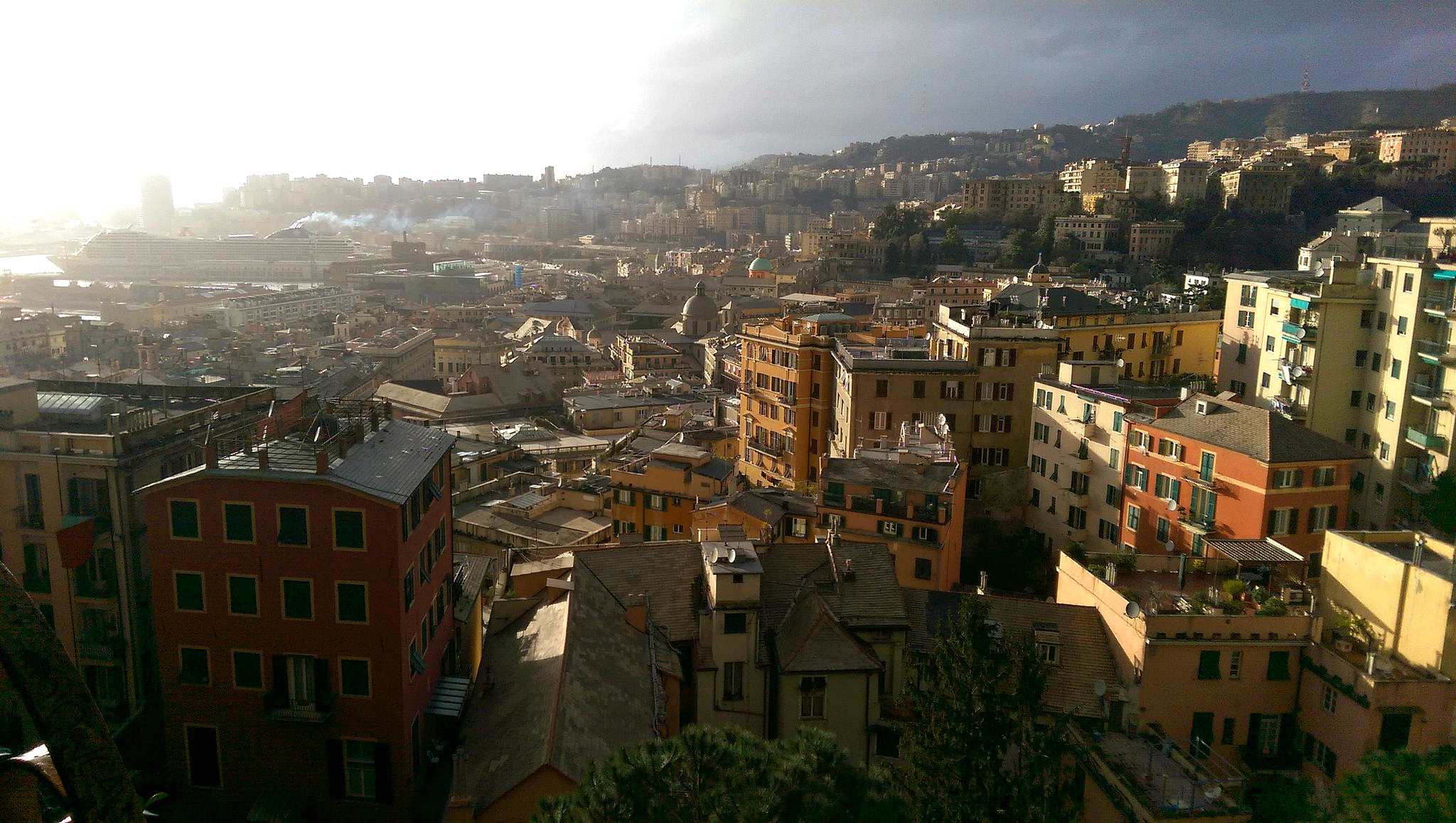
Chasing Paganini through Genova

genova-portantico

Classical Dark Arts recently embarked on a junket that swung through Genova, Italy in pursuit of rare and singular sites. The following photos show our particularly impressive finds.

Cristoforo Colombo was born in Genova. For a time the city-state counted among its inhabitants some of the world’s wealthiest merchants. These days tourists dodge scooters and amble down labyrinthine pathways to peek inside the mansions that remain as monuments to bygone glory days. These palazzi double as museums for art and curious artifacts left behind.

33241581626_4e5f3d0a5c_k

We went searching for a gilded set of artifacts housed at the Palazzo Doria Tursi: the personal effects of violinist, sorcerer and Genova native son Niccolò Paganini. Somehow the museum has managed to corral two unbelievable treasures among their collection, Paganini’s Guarneri del Gesù Cannon violin from 1743, and the 1834 copy of the Cannon by Jean-Baptiste Vuillame, called the Sivori.

Categories
Uncategorized

Classical music winners at the 59th annual GRAMMY Awards

Here’s your list of GRAMMY nominees and winners. Most of these are classical music categories, but I’m also including fields where classical artists beat non-classical (how nice). For the full list head to the official GRAMMY site.

Winners are in bold.

Categories
Uncategorized

CDA’s top classical releases of 2016

2016 will go down as the year Mozart improbably beat out Adele, Beyoncé and Drake in CD sales. If that doesn’t explain the wonky twelve months we’ve had then very little will. We saw the Cubs win the World Series, Trump beat Clinton, and the UK vote to leave the EU. Vine was shut down. Prince, Bowie and Muhammad Ali all passed away. Who would’ve predicted any of those at the year’s outset? Not you, Nate Silver.

Categories
Uncategorized

The four faces of the American orchestra

Today we take stock of symphony orchestras big and small across the US. It’s become fashionable to hate on them, to ignore their good work and declare them dead or passé. The kiss of death has been blown in their direction so often you’d think players would catch a chill.

All is not lost, though, and a new study points to some surprising strengths remaining for classical music. Today’s post, in four parts, looks at those strengths and the ways to build on them.

Part one: The state of US orchestras


Let’s start by taking a graceful swan dive into a properly-heated infinity pool of orchestral data.

In a new report the League of American Orchestras analyzed financial information on US orchestras from 2006 to 2014. You can find the report and analysis here in pdf form, but here’s a SparkNotes version.

1. Currently there are more than 1,200 orchestras in the US. They perform 28,000 annual concerts for a combined audience of 25 million people. They contribute $1.8 billion each year to the US economy.
2. Fixed orchestra subscriptions have remained static or slightly down, but single-ticket and flexible (choose-your-own subscrip) sales are up. People like choice! (But NB: subscriptions = more predictable revenue.)
3. Between 2010 and 2014, symphony attendance dropped 10.5 percent. During that same time, audiences for orchestra tours fell off by about half (ouch).
4. Donations stayed steady from 2006 to 2014.
5. From 2010 to 2014, the average donation by a non-trustee individual was less than $250.
6. Local governing bodies — cities, counties and states — channel much more money to the performing arts than the feds do. (Although they themselves may be flipping fed money, it’s unclear.)
7. Roughly half of every orchestra’s budget goes to player salaries & benefits. Fully 70 percent of money is plowed into performance production.

It’s not exactly boom times, but there’s room for optimism here. Let’s continue.

Categories
Uncategorized

Philip Glass on paying artists real cash money

Philip Glass has a straightforward response to the culture of free: it’s not working.

We swim in a sea of music. We have more art, books, shows, movies and ideas at our fingertips than the poor sap working the Library of Alexandria circulation desk could ever handle. If you’re bored these days it’s due to lack of effort, not availability.

There is a downside to all that free shit. Over at The Creative Independent, composer Philip Glass insists we’re wrong to assume artists should surrender their wares, gratis, for the common good.

Categories
Uncategorized

Performance VR is a VeRy good practice idea

We all want to be the musician who’s cooler under pressure than a pack of menthols. Exposed orchestral solo? Easy. Recital? They play one every week, more if possible. Big concerto with a major orchestra? Why not. No matter what the details, everything comes out Newport smooth.

But public performance makes the rest of us mere mortals a little anxious.